
Because Childhood is Better with Books
Explore books, routines, community and tips below for growing readers 👇
Books
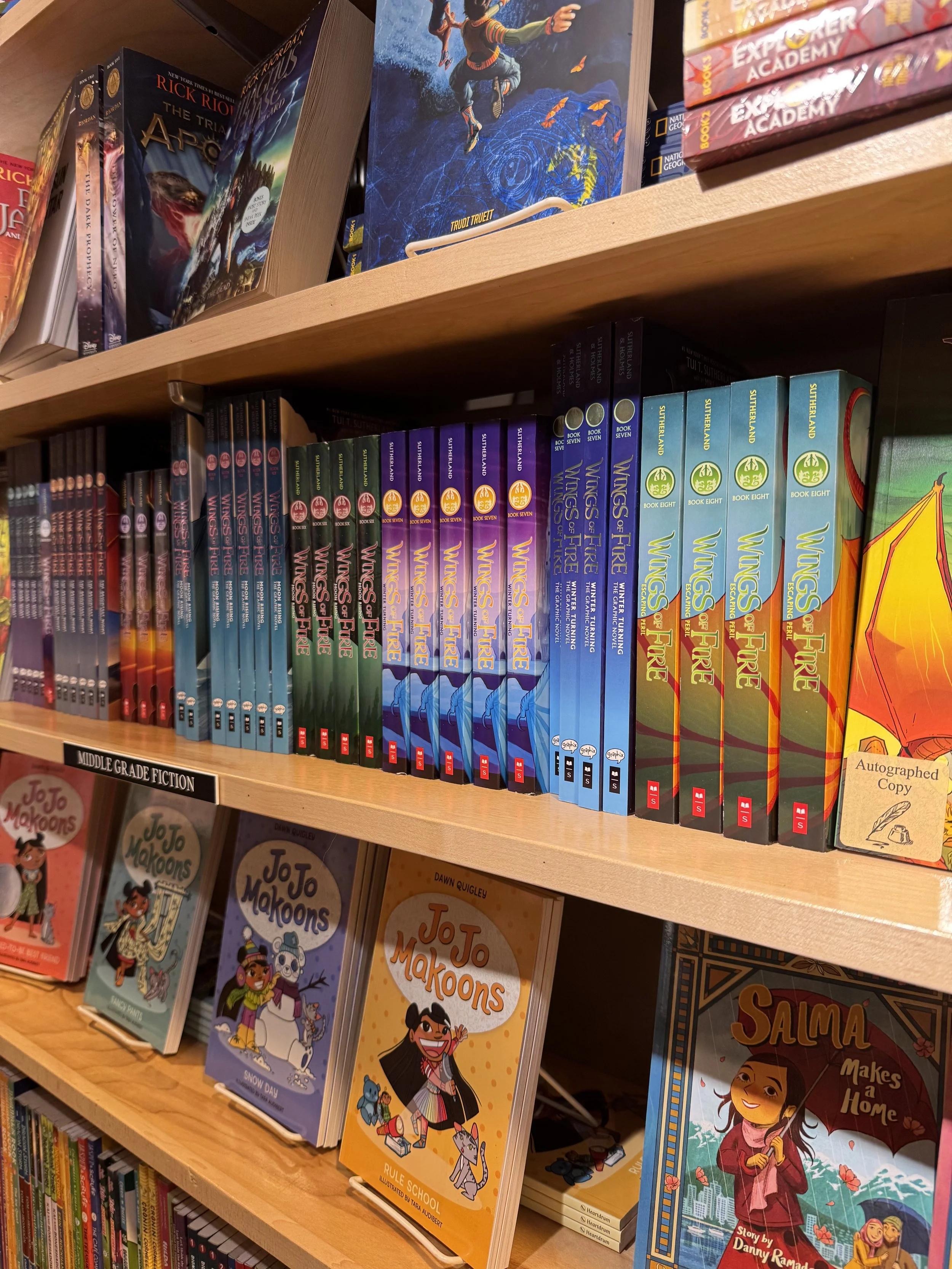
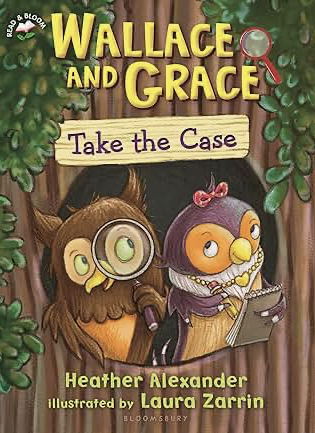
If we know anything, we know books. At Booktrition, we specialize in “just-right” books — books that are challenging and captivating enough to keep readers deeply engaged, but not so difficult that they create frustration or overwhelm. Research consistently shows that this type of reading experience is one of the fastest engines for reading growth and one of the most effective ways to help children engage deeply with text and strengthen comprehension.
Read more here, or explore our book selections by grade below.
Routines
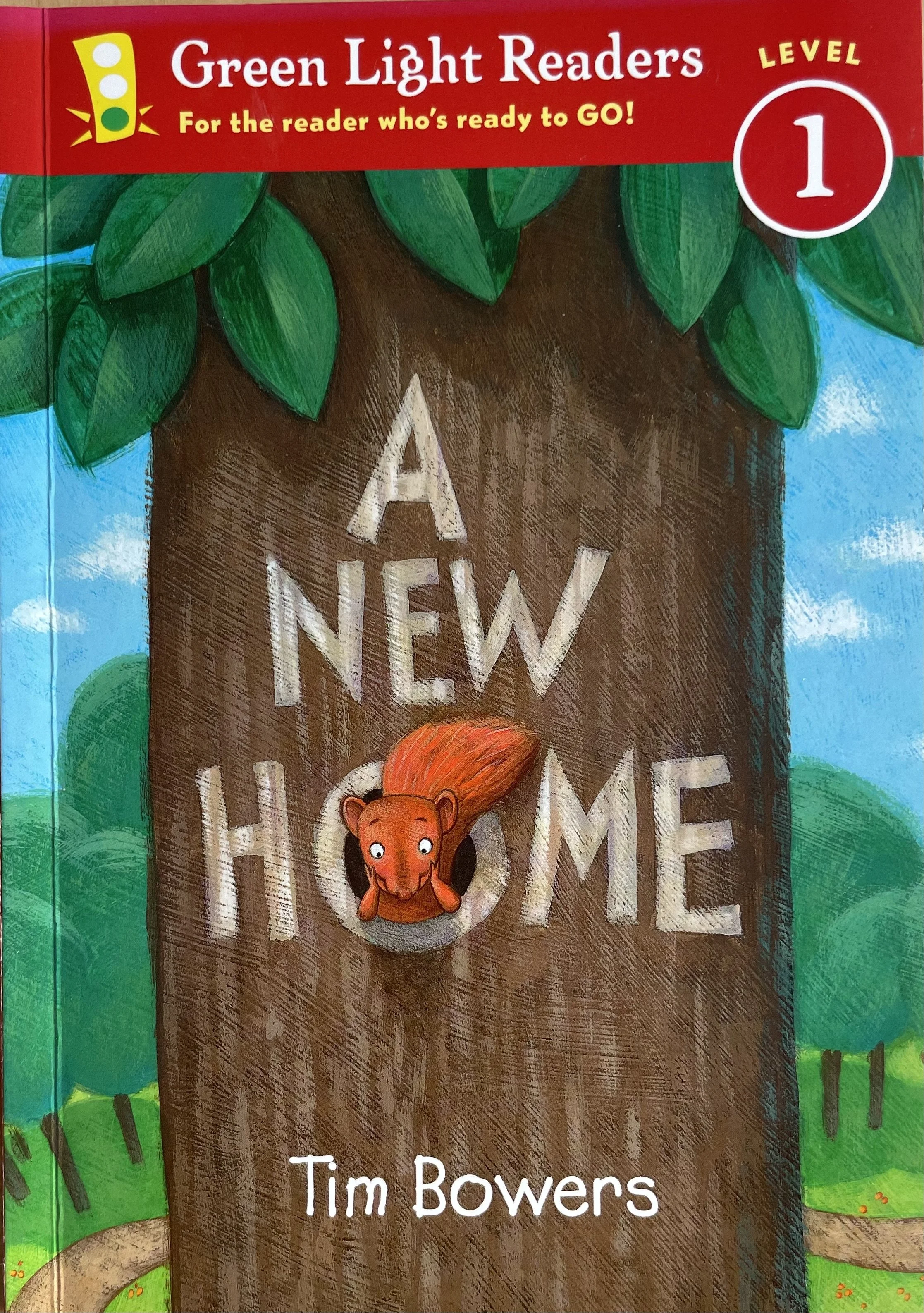
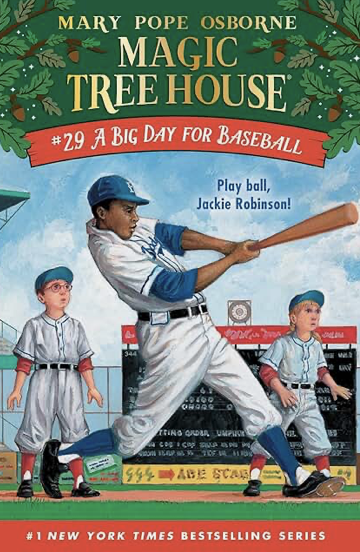
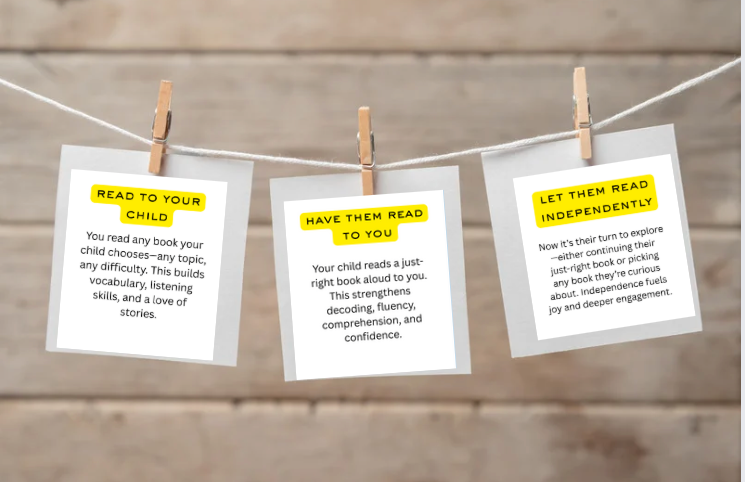
The Reading Routine is Booktrition’s secret sauce to growing young readers at home. In just twenty to thirty minutes a day, and with the right books, parents can read to their child, have their child read to them, and then ask their child to read independently. Booktrition is the only reading resource that has put out clear recommendations for how many minutes readers in each grade level can read for each part of the daily routine.
Home Environment
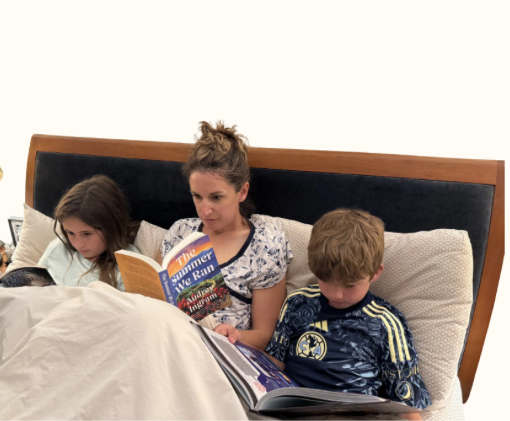
Parents are the glue that holds together the reading culture at home. Do kids see their parents modeling reading themselves? Are car rides sometimes filled with word games or audio books? Are books in every room including the playroom? Are there frequent visits to the bookstore or library? Booktrition helps you find everyday moments for literacy.

Community
We know books, we know routines, we know how to bolster home environments, and we know one more truth—as parents, we are not using each other enough for support. We need to start talking and start sharing. What books do your kids love? Which ones do they despise? What routines work well for you and which ones fail every time? Do you have a favorite audio book or board game that can be used to help with sight words. We are stronger together!
“Between the Chapters”— Learn From Each Other
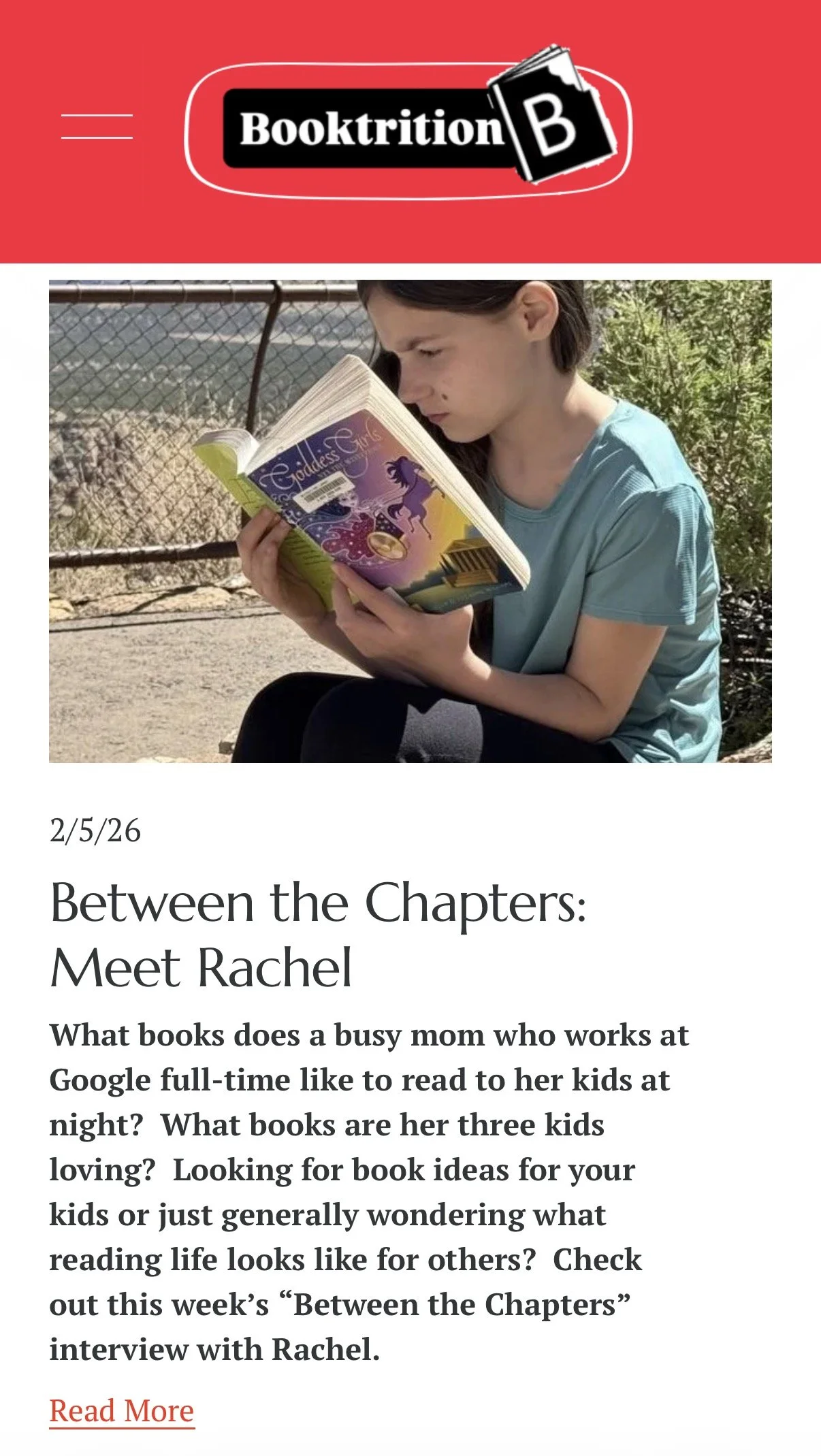
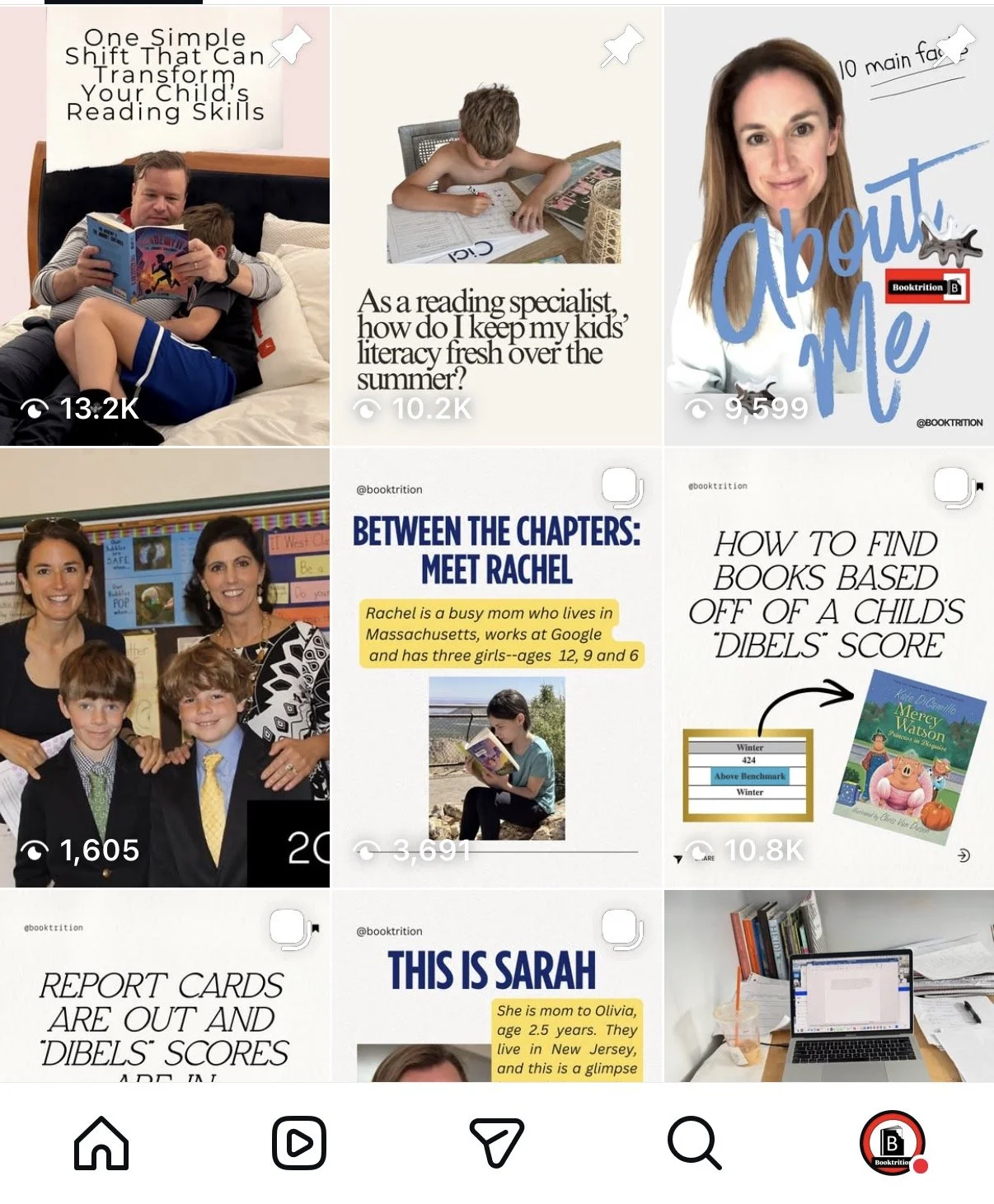
“Between the Chapters” is a Booktrition series exploring what reading really looks like at home. Each interview offers a glimpse into a family’s reading life—along with a little about the parent behind it. The goal is to learn from one another and recognize that we are all better parents when we learn from each other.
Follow @booktrition
We aren’t just giving book recommendations—we are building a community of parents invested in growing the next generation of readers.
Let’s Connect
Sign up for our newsletter for book recommendations, quick tips, home literacy ideas, and thoughts from other parents.
Contact
askbooktrition@gmail.com
follow us @booktrition